
Smart City & Space
Smart CityWith the recent increased adoption of digital transformation (DX) technologies such as artificial intelligence (AI) and big data, alongside smart technologies across various sectors, significant changes are also taking place in spatial environments. The expansion of platform-based smart services is enabling data-driven life innovation. This is integrating diverse spaces—including entire cities, mixed-use complexes, industrial zones, residential areas, and special-purpose spaces—and accelerating the transformation into smart spaces.
As a result, residential, office, and urban spaces are evolving into smart homes, smart buildings, and smart cities. At the same time, there is a growing demand for operating systems that can efficiently manage smart spaces, along with service spaces designed to enhance the quality of life for urban residents. In response, the integration of real-time data-driven urban control services and various smart services is emerging as a core factor in advancing smart spaces.
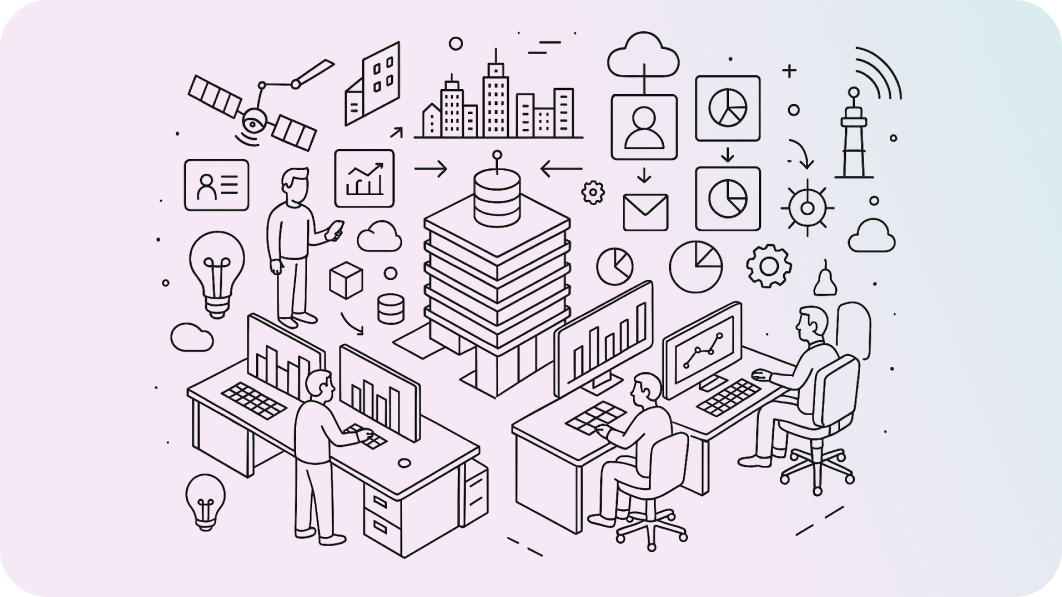
AI and Big Data-Based Data Collection and Processing
We establish infrastructure and platforms that enable the integration, storage, and analysis of diverse data. By leveraging AI-driven big data analytics and visualization, we create a structured data system and ecosystem that enhances urban control.
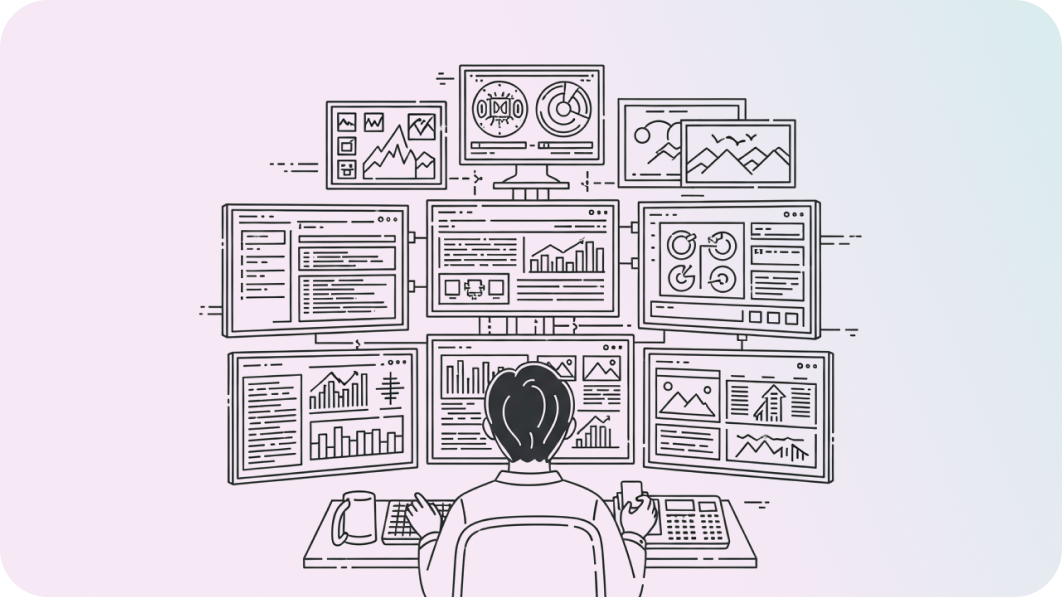
Integrated Urban Control
To accommodate control requirements related to various situational information management, we have secured a management tool that classifies control targets by purpose and customizes displays, supporting effective situation control through visualizations like widgets and image views.
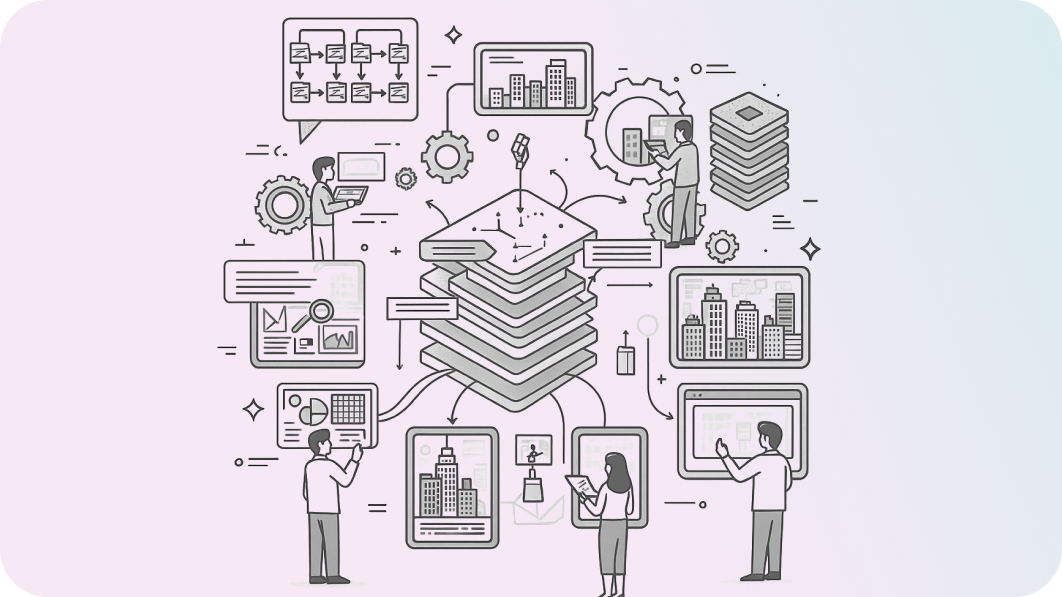
Digital Twin-Based Response System
We enable proactive urban operations by implementing a predictive response system through end-to-end support that allows machine learning and real-time data inference, and the provision of digital twin-based simulations.
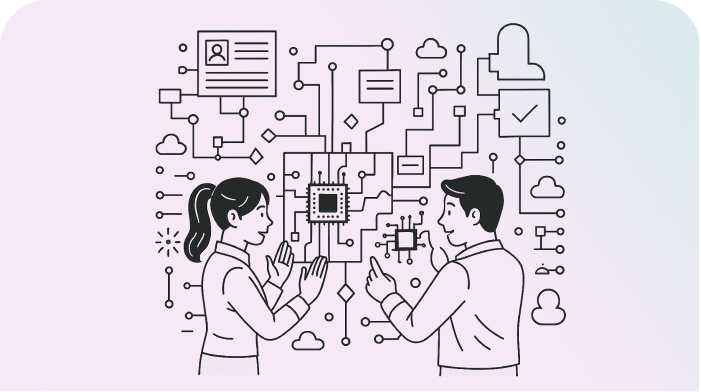
LG CNS’s Cityhub is a data-driven smart city platform that collects, analyzes, and shares urban data.
By storing, managing, and analyzing data collected through integration with facilities, systems, and external organizations, Cityhub supports various services aimed at enhancing citizens’ quality of life. With its six core functions, Cityhub enables users to analyze simultaneously collected data from multiple devices more efficiently and display city information in a more streamlined manner.
- Offers flexible configurations tailored to customer needs through modular design
- Supports smart city requirements across all stages, from data collection to data sharing
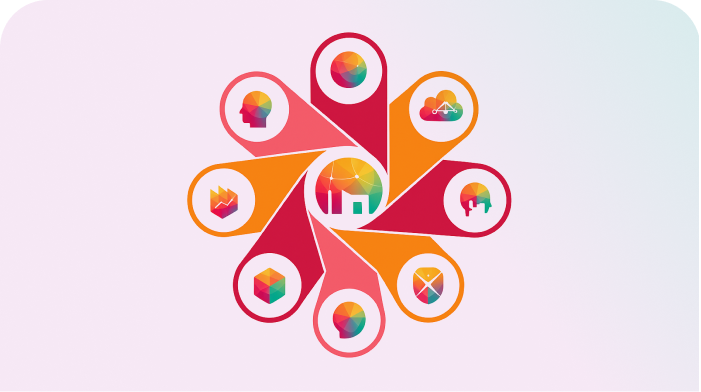
- Ensures seamless interoperability with other standard platforms and datasets through compliance with international standards
- Offers diverse connectivity options

- Supports rapid adaptation to technological advancements through integration
- Ensures system advancement with continuous support by LG CNS' experts
-
Urban control requires monitoring and processing various service events. To do so, a big data-based collection system that gathers a huge volume of internal and external data is necessary. To create a data collection system that connects with external systems, you need measures for data linkage methods such as Open API, DB-2-DB, Enterprise Service Bus (ESB), and File Transfer Protocol Secure (FTPS).
-
As a oneM2M (one-Machine to Machine) common service function, Cityhub provides security mechanisms such as device identification and authentication, access rights, and communication security. It also implements privacy protection functions to manage data securely. It is necessary to inspect the information collected, stored, used, and destroyed on the smart city data platform. Also, IoT devices above a certain level in the city require a separate IoT device security solution, including firmware protection, device authentication, and security updates.
To this end, security consulting is required to define security features at the function level through individual service security reviews, provide vulnerability assessments and security guides from the design stage, and set goals to comprehensively manage vulnerabilities, not only for IoT devices but also for infrastructure and smart services.
-
When collecting data containing personal information from external platforms, systems, and related organizations, relevant personal data processing regulations must be strictly followed. Cityhub can only collect external data for which personal information processing has been completed. For example, to link Cityhub with an external system, that system must first obtain consent from individuals to share their data with third parties. Only then can discussions about linking proceed.
Cities That Open the Future
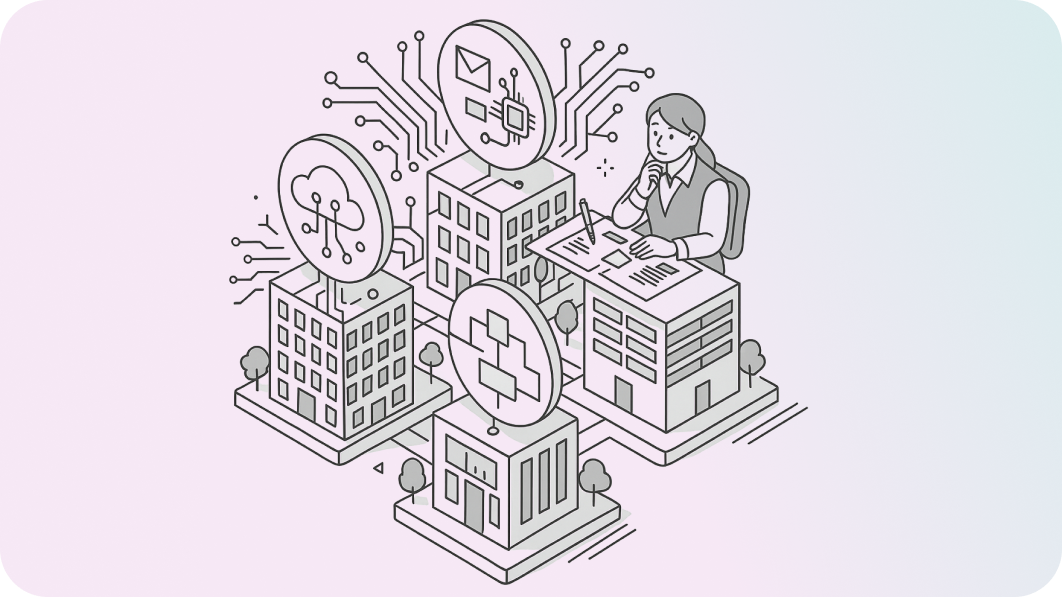
Comprehensive Services from Urban Planning to Operations
From the perspective of citizens and operators, who are the users of cities and spaces, LG CNS plans sector-specific services and revenue models, tailoring key services to customer-specific needs to provide comprehensive services from planning to operation.
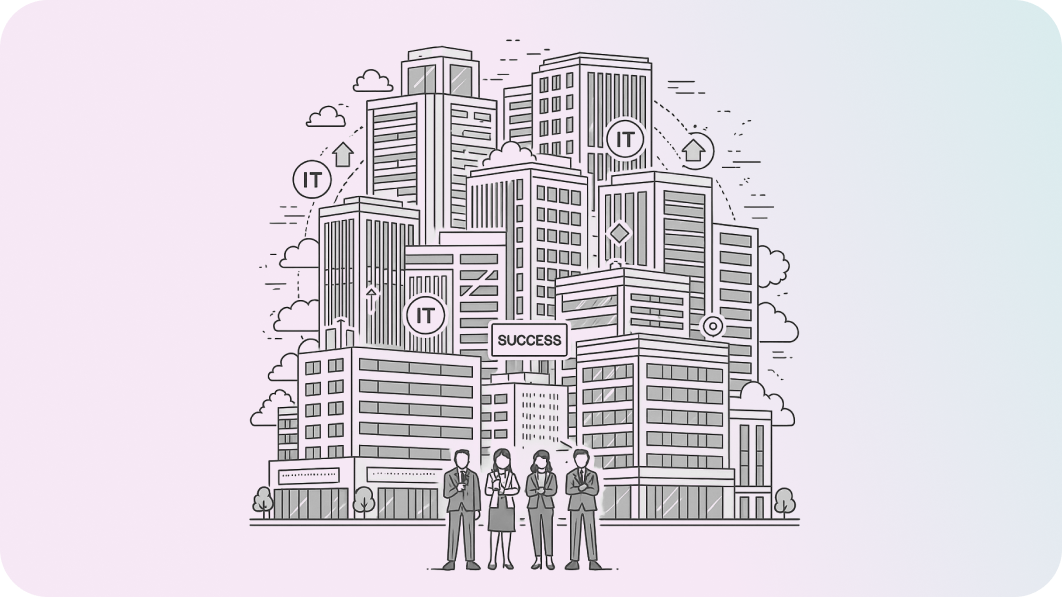
Customized Support Across the Entire Building Project Lifecycle
LG CNS has proven capabilities and experts across various project types. We leverage this to provide customized support across all phases of a project, including consulting (design), implementation, and operations and maintenance, in diverse areas such as mixed-use developments, industrial parks, residential areas, and special-purpose spaces. We are fully committed to supporting our clients' successful business endeavors.
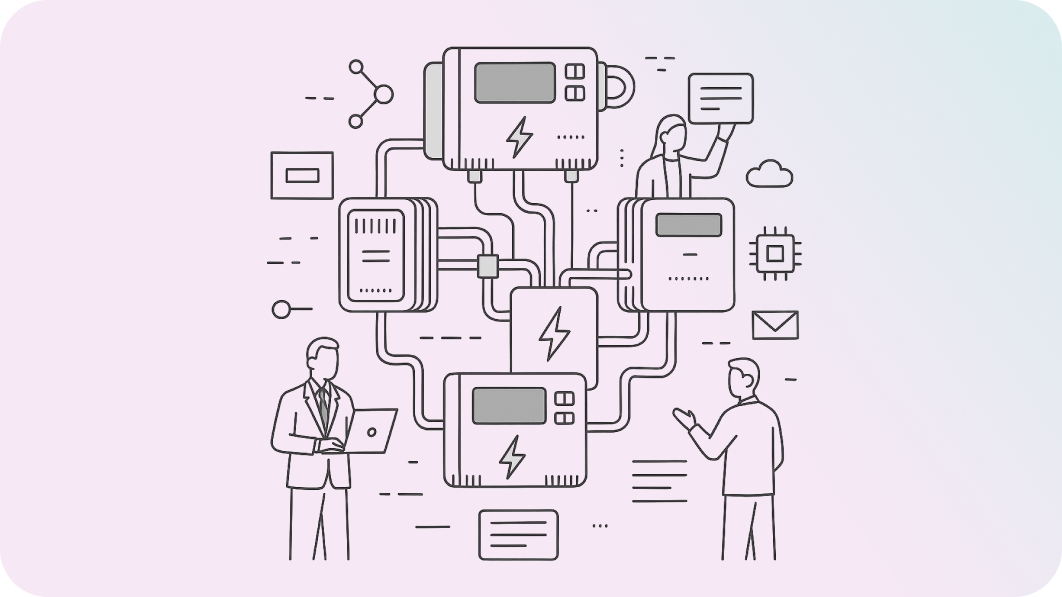
Korea’s No.1 Smart UPB Supplier and Installer
In collaboration with LG Energy Solution, a global leader in energy battery supply, LG CNS holds the largest and most comprehensive UPB (Urban Power Bank) business capabilities in Korea. With unrivaled expertise in data center infrastructure and UPB technology, we possess future-proof, platform-based solutions that ensure secure scalability, even amid evolving regulations and market conditions. We aim to be the most reliable partner for clients seeking robust and adaptable UPB solutions.
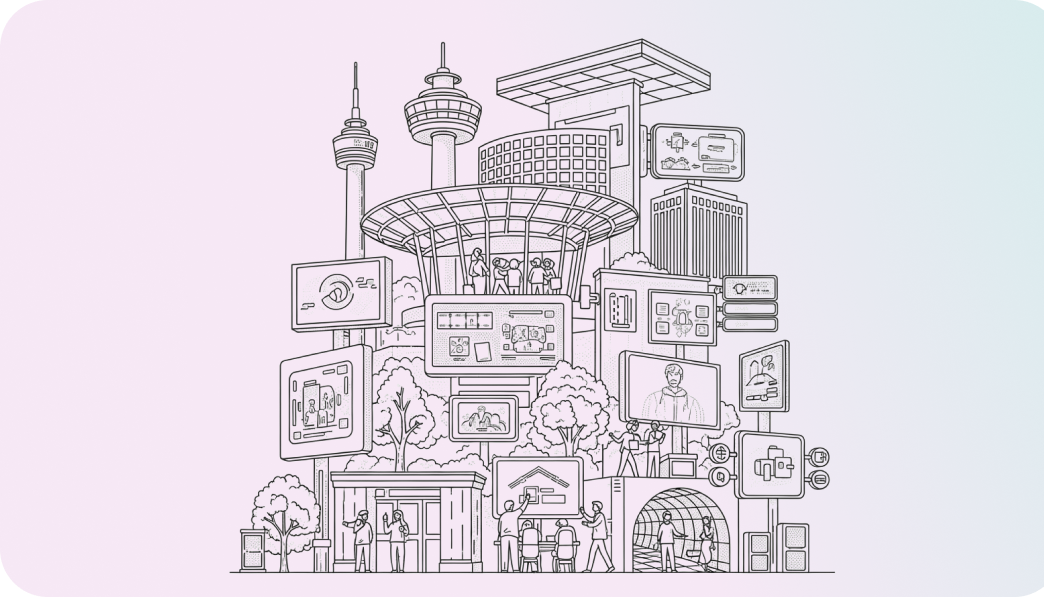
Landmark Smart Signage Deployment
LG CNS has extensive experience in smart signage solutions, having completed global landmark projects in various formats, including towers, trees, facades, canopies, rooftops, ceilings, tunnels, and wall-mounted displays. We deploy signage optimized for each space.
CHB for buildings is a solution that integrates services across various heterogeneous systems to realize smart spaces. It includes both standard and non-standard device adapters, reducing system integration time and costs while ensuring smooth scalability. Additionally, it supports the intuitive implementation of efficient standard operating procedures (SOP) from a system integration perspective, simply through event-driven configuration, thereby improving operational efficiency from the user's perspective.
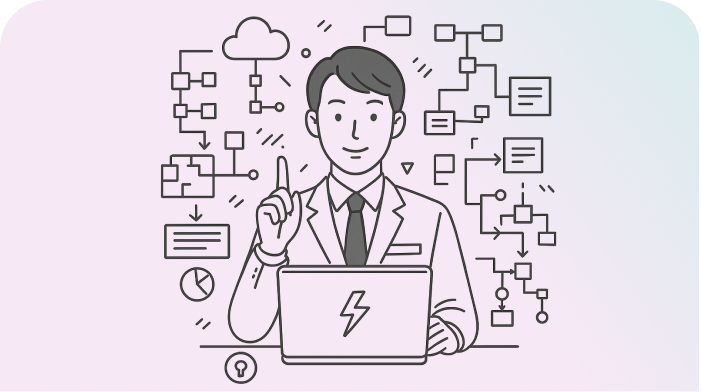
Offers integrated monitoring and control, energy management, and improved operational efficiency for heterogeneous processes
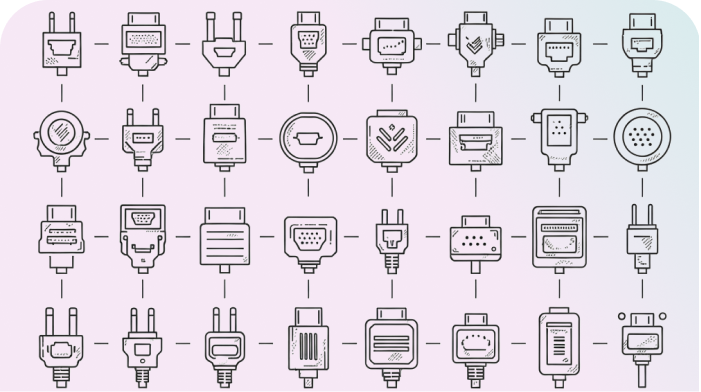
Over 140 types of standard and non-standard device adapters, reducing integration time, lowering costs, and ensuring smooth scalability
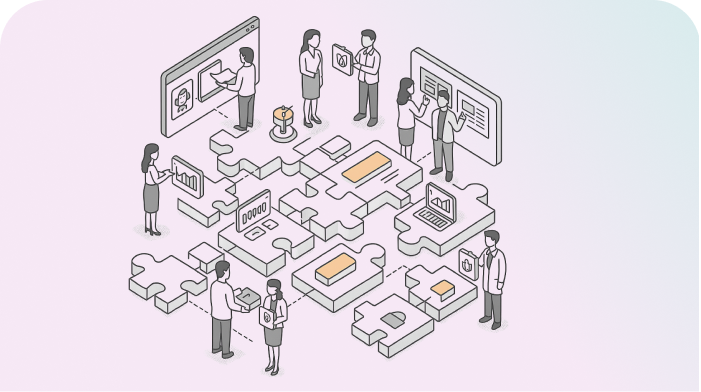
Provides intuitive and rapid implementation of SOPs for integrated operations, achieved through event-driven configuration
LG Signage Manager supports integrated multimedia management and remote monitoring, addressing the growing importance of media. It also supports simple configuration and efficient media operation through easy and convenient smart content management.
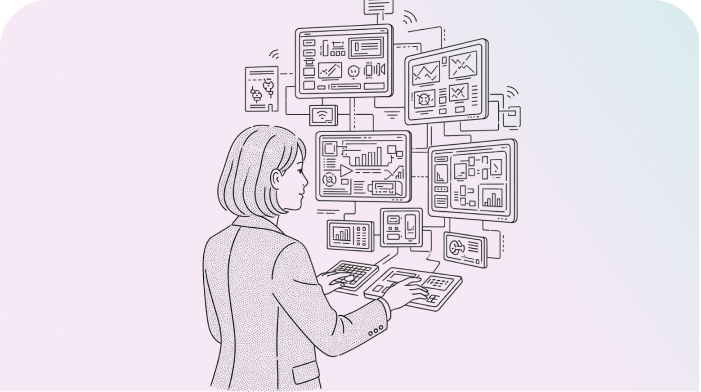
Ensures efficient integrated management and remote monitoring of various multimedia sources

Enhances user convenience through dashboard widget-based monitoring
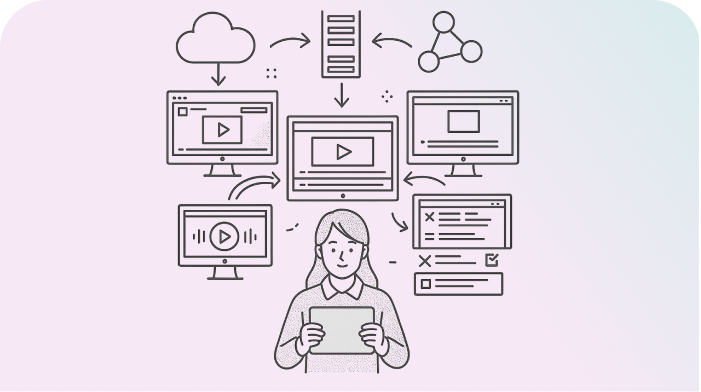
Enhances user convenience with features including: multiple content format support, screen management capabilities, drag-and-drop playlist management, etc.
The Battery Management System (BMS) provides operators with safety, reliability, and convenience through management at the unit level (battery packs, battery racks (in parallel), and systems (UPS sets)).
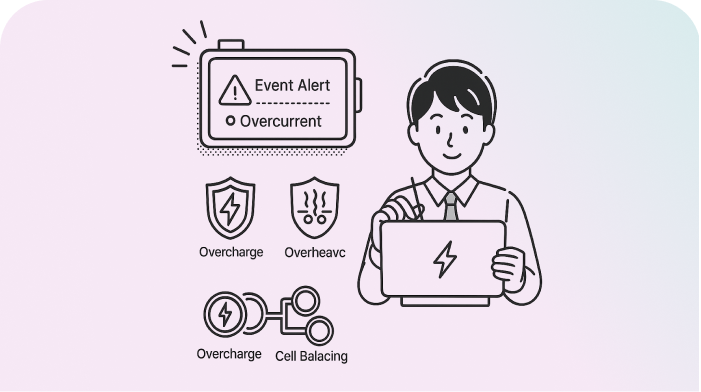
Ensures operational stability by monitoring battery status, detecting events, providing protective functions, and performing cell balancing

Calculates the battery's SOC and SOH, transmitting information every 1 to 5 seconds, providing reliability through accurate available runtime estimation

Provides visibility with a summary screen of RT-key information. Enhances convenience with a modular design that enables quick and easy replacement in the event of a failure
-
Simply applying new technologies to cities or buildings has its limitations. It is essential to consider both the "innovation of the space itself" and the "smartification of spaces." This includes establishing an integrated platform for citizen service accessibility and intuitive urban operations, thereby ensuring visibility. Furthermore, consideration should be given to planning life-enhancing services, designing smart spaces aligned with smart city development, and the IT/DX-based smartification of those spaces.
-
LG CNS supports the full lifecycle of smart space projects—including design, implementation, and operation—for both public and private-sector clients. We also offer customized services for specific service areas. We can provide operation-only services even if we were not involved in implementation, or implementation-only services where the client handles the operation independently. Our services are flexibly tailored to meet each client’s specific needs.